

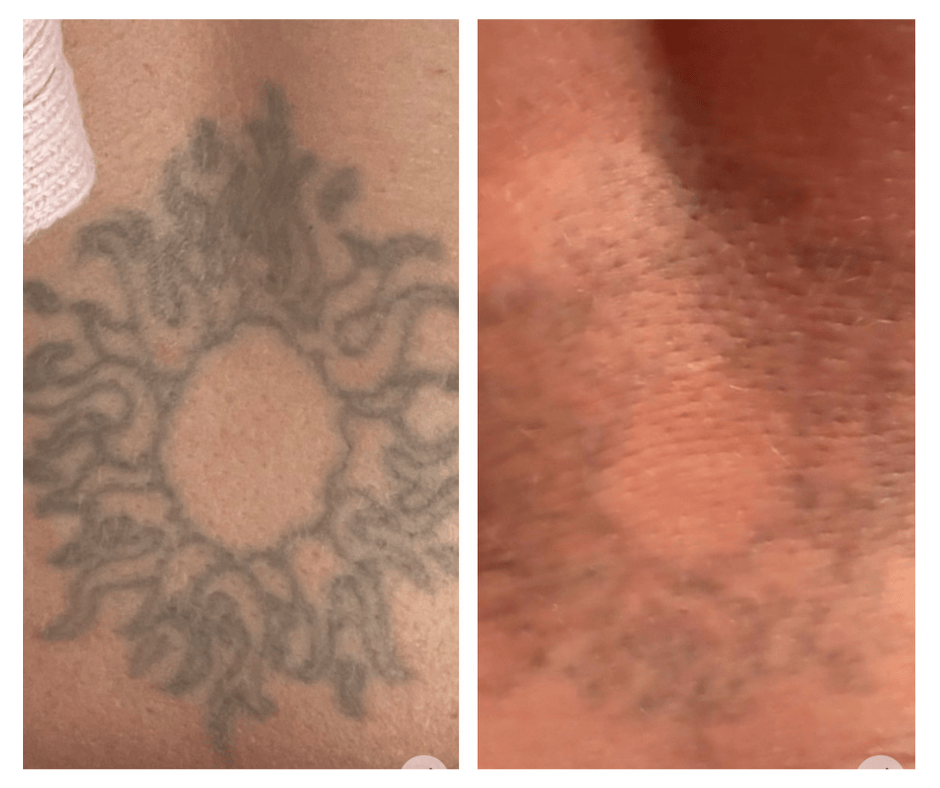

Tattoo removal takes time. Most patients start to see results within a few weeks of starting their treatments. They then see their final results a few months after their final treatment session.


Are you a candidate?
Try our treatment planner-
Consultation Required?
Yes
-
Treatment Type
Laser
-
Treatment Length
30 to 60 minutes
-
Number of Treatments Needed
Varies
-
Downtime
Varies

Improve Your Self-Confidence
If you’re longing to say goodbye to a tattoo regret, allow us to introduce you to tattoo removal in Cedar Rapids. Our skilled technicians at The Skin Lounge are here to help you enjoy beautifully bare skin.
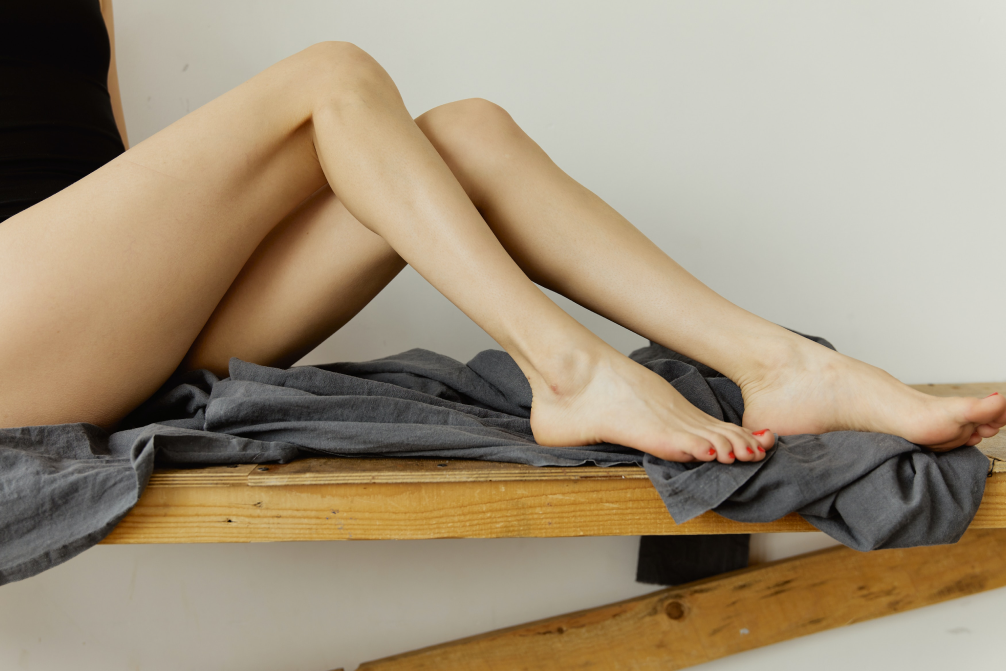
Remove Your Tattoo From These Areas
Tattoo removal can work on almost any area of the body.
Find Your Perfect Match
Our online treatment planner matches you with personalized recommendations based on your unique concerns.

What You’ll Experience
When you visit us for tattoo removal in Cedar Rapids, you’ll meet with one of our skilled laser providers for an in-depth consultation. Once we determine that you are a candidate for tattoo removal, we will determine how many treatment sessions you’ll need based on your desired results.
During your treatments, you’ll feel some heat and a tolerable snapping sensation from the laser, similar to a rubber band. How long the procedure takes depends on the size and amount of treatment areas.
Why Wait?
Reach out to learn more about tattoo removal in Cedar Rapids at The Skin Lounge.

During your consultation, we’ll walk you through how to prepare for your tattoo removal. Some general guidelines are to shave 24 hours before the treatment, and avoid getting sunburned or tanned.
Generally, tattoo removal is considered uncomfortable, although we can numb the area. Most patients compare the sensation to a hot rubber band snapping against the skin.
Pre Treatment
Avoid sun exposure including tanning beds for 2 weeks prior and 2 weeks after the treatment.
A cold compress can be applied for 10-15 minutes prior to the treatment.
Avoid pain medication such as Motrin, Aleve and aspirin 3 to 7 days prior to the treatment.
These medications including but not limited to should be stopped for at least 1 week prior to laser or light therapy.
- Antibiotics (ciprofloxacin, doxycycline, levofloxacin, ofloxacin, tetracycline, trimethoprim)
- Antifungals (flucytosine, griseofulvin, voricanozole)
- Antihistamines (cetirizine, diphenhydramine, loratadine, promethazine, cyproheptadine)
- Cholesterol-lowering drugs (simvastatin, atorvastatin, lovastatin, pravastatin)
- Diuretics (thiazide diuretics: hydrochlorothiazide, chlorthalidone, chlorothiazide.; other diuretics: furosemide and triamterene)
- Non-steroidal anti-inflammatory drugs (ibuprofen, naproxen, celecoxib, piroxicam, ketoprofen)
- Oral contraceptives and estrogens
- Phenothiazines (tranquilizers, anti-emetics: examples, chlorpromazine, fluphenazine, promethazine, thioridazine, prochloroperazine)
- Psoralens (methoxsalen, trioxsalen)
- Retinoids (acitretin, isotretinoin)
- Sulfonamides (acetazolamide, sulfadiazine, sulfamethizole, sulfamethoxazole, sulfapyridine, sulfasalazine, sulfasoxazole)
- Sulfonylureas for type 2 diabetes (glipizide, glyburide)
- Alpha-hydroxy acids (AHAs) in cosmetics
Post Treatment
Tattoo removal will create a superficial burn wound. Some clients may experience bruising or swelling. There is immediate whitening of the treated area, which usually lasts for several minutes. Many clients then develop blisters, crusts, or scabs within 12-72 hours, which may last for 1-2 weeks or more. The treated areas may be pink or pale after the scab separates. Loss of skin pigment in the treated area is common, and is usually temporary. Healing is usually complete by 6-8 weeks.
- Cleanse treated area at least once daily in the shower with gentle soap and water, pat area dry.
- After cleansing, apply a thin layer of occlusive ointment and cover with a non-stick pad until healed.
- Avoid submerging treated area in water until healed (shower is okay).
- Do not pick, peel or rub the treatment area throughout healing.
- If blistering occurs: Do not pop or pick at blisters. Keep the area moist with occlusive ointment and covered with non-stick dressing.
- Once healed, avoid sun exposure to the treated area. Apply zinc-based sunblock daily and reapply every two hours when outdoors with an SPF of 50 or higher over the area for 3 months following the treatment.
- If the area looks infected, if you experience unusual discomfort or bleeding, if any other complications develop, or if you have any questions or concerns, contact the office immediately.
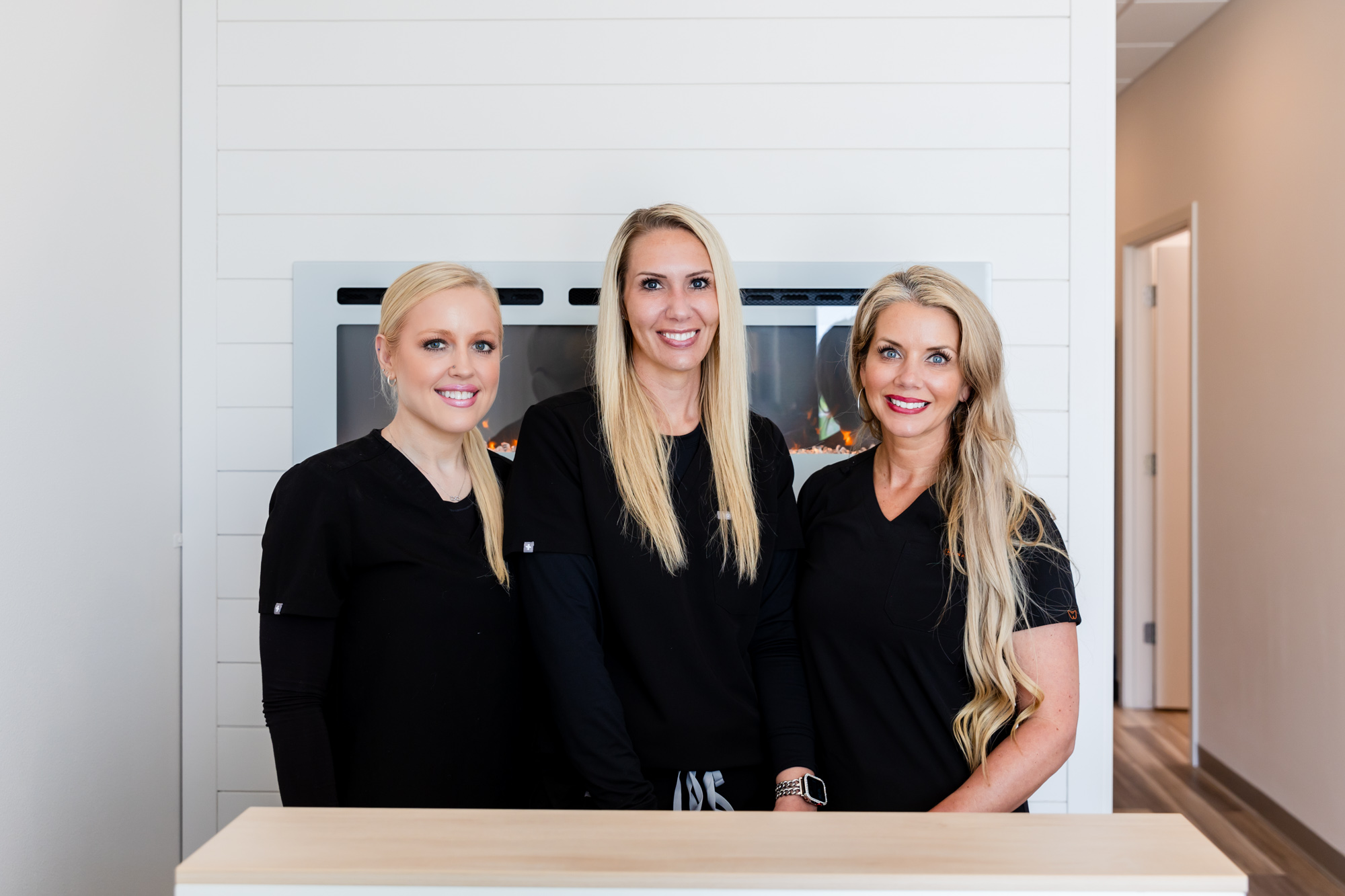
Feel Renewed From the Moment You Walk In
The Skin Lounge aims to be an oasis where each of our patients can leave the world behind during their treatments and re-enter the world feeling rejuvenated. Every patient receives personalized care tailored to their unique needs and designed to help them achieve their aesthetic and wellness goals as soon as possible. We’re passionate about using our expertise to help you enhance your natural beauty and feel as good as you look.